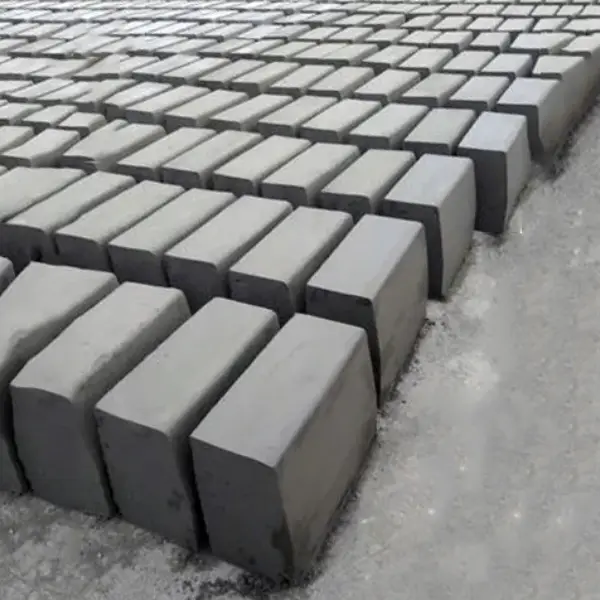
Solid blocks are a fundamental building material, chosen for their load-bearing capacity and durability in walls and foundations. The integrity of your construction depends directly on the quality of these units.
Accepting blocks without verification can lead to structural issues, increased waste, and higher long-term costs. A systematic approach to inspection protects your project. Use these methods to assess materials from any solid block supplier in Dubai .
Request and Review Product Documentation
Begin the verification process before delivery. Ask the supplier for mill test certificates or quality assurance reports from the manufacturing plant. These documents state the block’s compressive strength, density, water absorption rate, and dimensions. Confirm the values meet your project’s specifications and local building standards, such as those set by the Emirates Authority for Standardization and Metrification (ESMA). Reputable suppliers readily provide this paperwork.
Perform a Visual and Dimensional Inspection
When blocks arrive on site, conduct an immediate visual check. Look for consistent color and texture across the batch, which suggests uniform curing. Examine blocks for large cracks, chips, or broken corners. Reject units with significant visual flaws.
Next, measure a random sample of blocks. Use a tape measure to check length, height, and width. Employ a steel straight edge to check for warping or twisting. Consistent dimensions are crucial for straight walls, proper mortar joints, and efficient laying by masons.
Conduct Simple Field Tests
Several hands-on tests offer quick quality indicators. Try the sound test: strike two blocks together gently. A clear, ringing sound typically suggests good compaction and curing, while a dull thud may indicate internal flaws or high moisture content.
Perform a drop test from a low height (about waist level) onto a firm, level surface. A good quality solid block should not shatter or develop major cracks. Excessive breakage points to weak composition.
Check the block’s weight. Compare it to the supplier’s stated specification. A block that feels abnormally light for its size may not have the correct density, affecting its strength.
Assess Absorption and Hardness
The rate at which a block absorbs water influences its durability and bond with mortar. Draw a small circle on the block’s surface with a water-soluble marker. Place a few drops of water inside the circle and observe. In a high-quality block, the water should bead up and absorb slowly. Rapid absorption into the surface can signal high porosity, which may lead to moisture problems later.